Skip to content
Your plain wedding dress feels incomplete. Adding texture and elegance seems impossible without starting over completely.
Yes, you can add a lace overlay to most wedding dresses through professional alteration techniques. The process involves careful fabric selection, precise fitting, and skilled construction methods to create seamless integration with the existing gown structure.
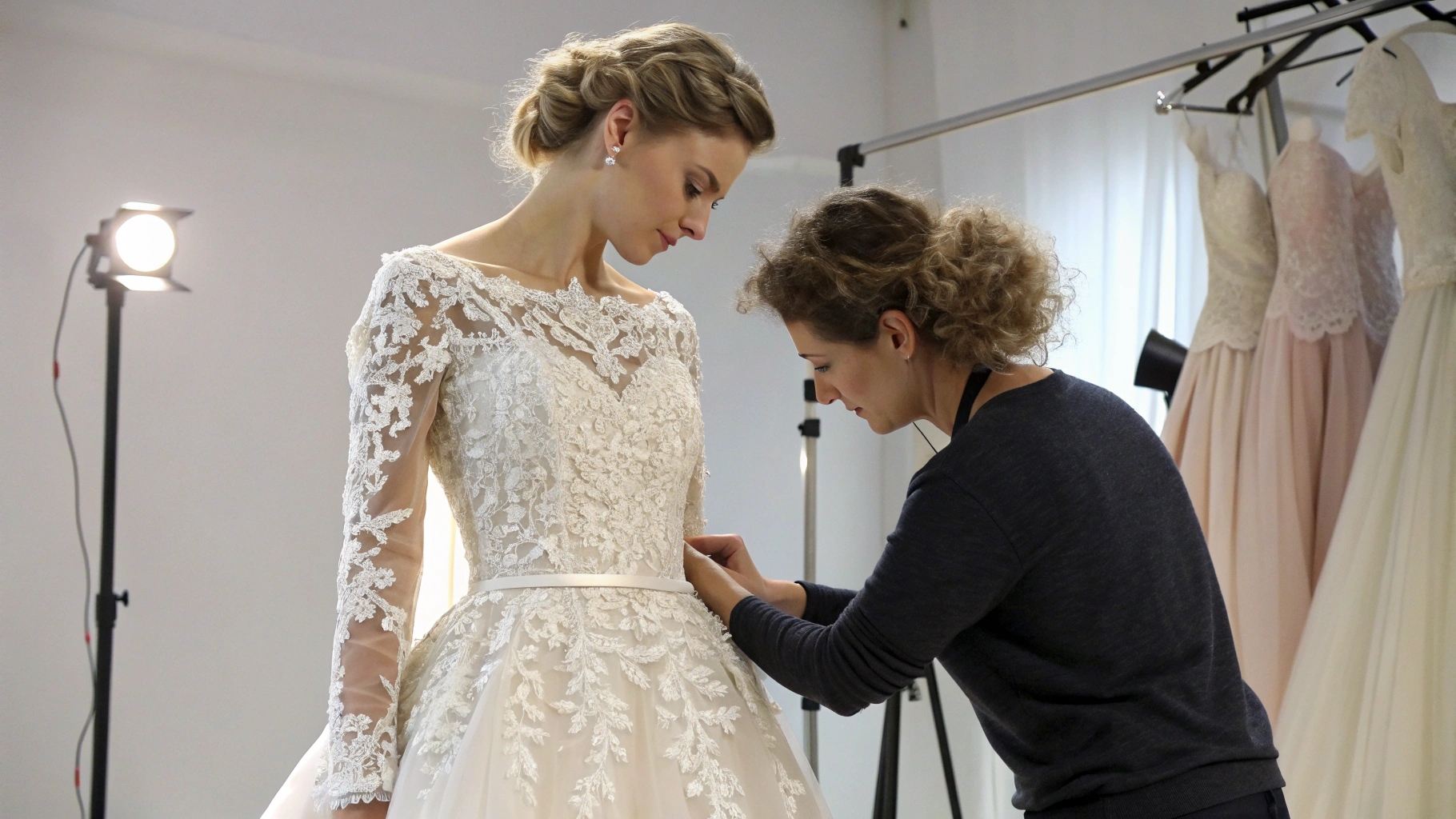
I discovered this transformation technique when a bride brought me her grandmother’s simple satin gown. She wanted to honor the family heirloom while adding modern romantic details that matched her personal style.
What Types of Wedding Dress Lace Overlays Work Best?
Different dress styles require specific lace types and application methods. Not every lace works well with every dress design or fabric.
Choose lightweight, flexible laces like Chantilly, tulle-based embroidered designs, or stretch lace varieties. These materials drape naturally over existing dress structures without adding excessive bulk or competing with original design elements.
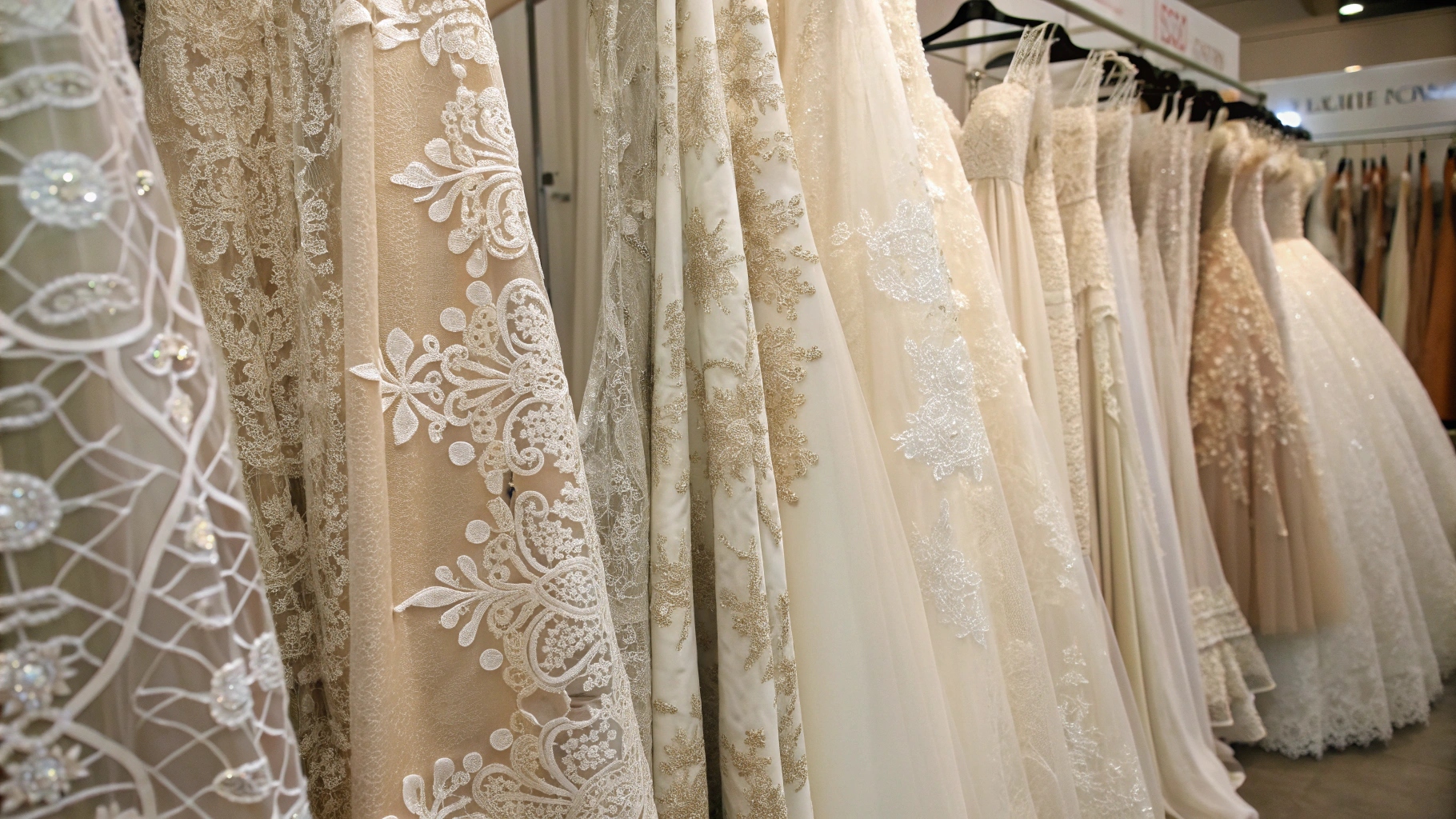
Fabric weight determines overlay success significantly. Heavy luxury bridal collection laces can overwhelm delicate dress silhouettes. I learned this when attempting to add thick Alençon lace over a lightweight chiffon gown. The result looked bulky and unbalanced.
Stretch properties affect how overlays move with the wearer. Non-stretch laces work beautifully on fitted bodices but can restrict movement in form-fitting styles. I prefer using stretch lace varieties for mermaid or sheath dress overlays because they maintain the original fit while adding decorative elements.
Pattern scale impacts visual harmony between overlay and base dress. Large-scale patterns can overwhelm smaller dress sizes, while tiny patterns may disappear on dramatic ball gowns. MarryLace’s design process includes pattern scaling considerations that help match lace designs to dress proportions effectively.
| Dress Style | Best Lace Type | Application Method | Key Considerations |
|---|---|---|---|
| A-line | Chantilly, Tulle embroidery | Full overlay or partial panels | Maintain dress flow |
| Mermaid | Stretch lace, Elastic base | Fitted overlay technique | Preserve body-hugging fit |
| Ball gown | Heavier embroidered lace | Structured overlay application | Support additional weight |
| Sheath | Lightweight stretch lace | Close-fitting overlay | Maintain clean lines |
Color matching requires careful consideration beyond simple white-to-white comparisons. Wedding dress fabrics age differently, creating subtle color variations that become obvious when adding new lace. I always request fabric samples to test color compatibility under different lighting conditions.
Texture combinations create visual interest when executed thoughtfully. Smooth satin bases pair beautifully with textured 3D floral embellishment overlays. However, competing textures can create visual chaos if not carefully balanced.
How Do Professional Seamstresses Apply Lace Overlays?
Professional application techniques ensure overlays look intentional rather than added as afterthoughts. Poor execution creates obvious alteration lines and fabric bunching.
Professionals use pattern-making, precise cutting, and invisible seaming techniques. They create custom overlay patterns, hand-finish edges, and integrate new elements with existing dress construction methods for seamless results.
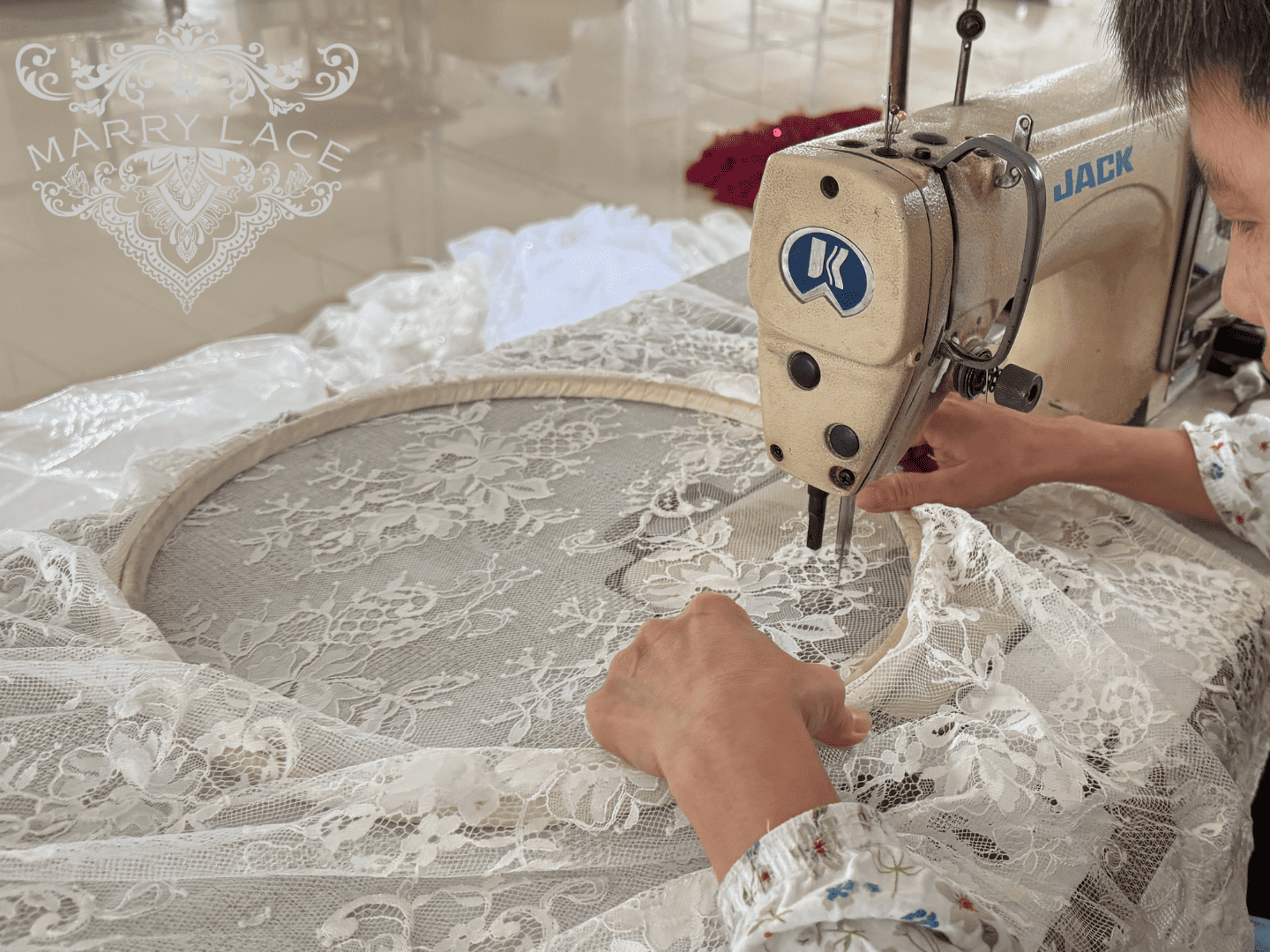
Pattern creation comes first in professional overlay applications. Skilled seamstresses create paper patterns that follow the dress’s existing lines while accommodating the overlay design. This step prevents fabric waste and ensures proper fit before cutting expensive lace materials.
I work with seamstresses who understand wholesale lace fabric properties and application requirements. They know how different lace types behave during construction and can predict potential fitting issues before they occur.
Cutting techniques preserve lace pattern integrity while creating necessary seam allowances. Professional seamstresses follow lace motif lines when possible, hiding seams within pattern elements. This attention to detail separates quality work from obvious alterations.
Seaming methods vary depending on lace type and dress construction. French seams work beautifully for lightweight overlays, while bound seams provide better durability for heavier embellished laces. Hand-finished edges create the most professional appearance for visible seam lines.
| Construction Step | Professional Technique | Common Mistakes | Quality Indicators |
|---|---|---|---|
| Pattern Making | Custom fitting patterns | Using generic patterns | Perfect dress contours |
| Cutting | Follow lace motifs | Straight-line cutting | Hidden seam placement |
| Seaming | Hand-finished edges | Machine-only seaming | Invisible attachment |
| Pressing | Steam setting appropriate | High heat damage | Smooth, flat application |
Fitting sessions ensure proper overlay placement and comfort. Professional seamstresses schedule multiple fittings to adjust overlay positioning and address any movement restrictions. These sessions reveal potential issues before final construction.
Quality control involves checking overlay security and appearance from multiple angles. Professional work shows no pulling, bunching, or obvious attachment points. The overlay should move naturally with the dress and enhance rather than hide original design elements.
What Challenges Should You Expect When Adding Lace Overlays?
Overlay additions create technical and aesthetic challenges that require careful planning. Understanding potential issues helps set realistic expectations and budgets.
Expect fitting adjustments, construction complexity, and potential structural modifications. Overlays can affect dress fit, require specialized sewing techniques, and may need additional support structures to maintain proper appearance.
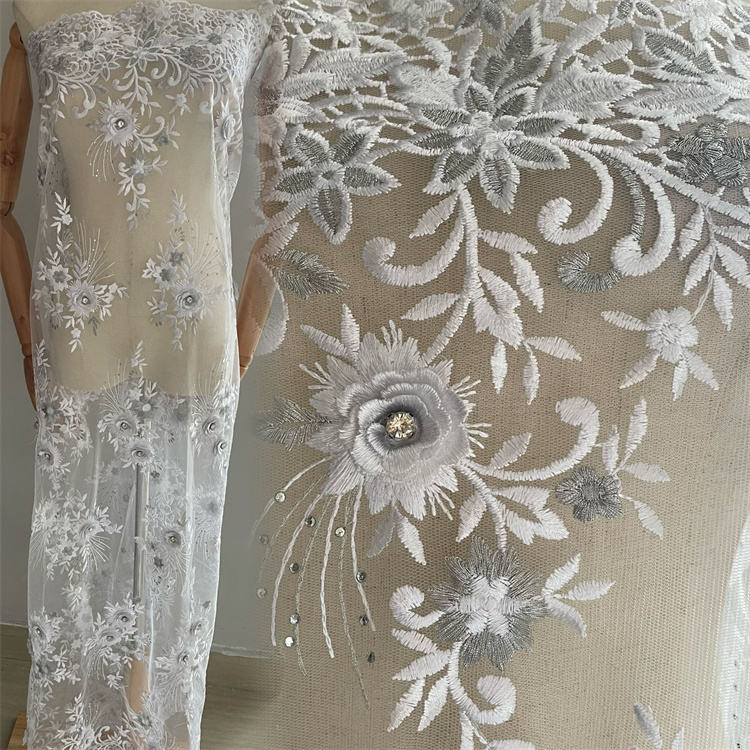
Fitting changes occur when overlays add bulk or restrict movement. Even lightweight laces can affect how dresses fit through the bust, waist, or hip areas. I always recommend scheduling additional fitting appointments to address these changes properly.
Construction complexity increases significantly with overlay additions. Simple dress alterations become multi-step processes requiring specialized skills and equipment. This complexity affects both project timelines and costs considerably.
Structural support may become necessary for heavier overlays or extensive embellishments. Beaded lace fabric wholesale options often require additional internal support to prevent sagging or distortion over time.
Budget considerations extend beyond lace material costs. Professional application requires skilled labor, additional fittings, and potential structural modifications. These factors can double or triple initial overlay cost estimates.
| Challenge Category | Specific Issues | Solutions | Prevention Tips |
|---|---|---|---|
| Fit Changes | Altered silhouette | Multiple fittings | Professional consultation |
| Construction | Complex seaming | Experienced seamstress | Skill verification |
| Support Needs | Weight distribution | Internal modifications | Weight assessment |
| Timeline | Extended completion | Early planning | Realistic scheduling |
Timeline extensions become common with overlay projects. What appears to be a simple addition often requires weeks of careful work. I recommend starting overlay projects at least 2-3 months before wedding dates to accommodate unexpected complications.
Quality control becomes more challenging with overlay additions. Multiple fabric layers can hide construction issues that only become apparent during wear. Thorough testing and inspection prevent wedding day surprises.
Care requirements change when overlays are added. Different lace types may require specialized cleaning methods that differ from the original dress care instructions. Understanding these requirements helps preserve the gown’s appearance long-term.
Which Wedding Dress Styles Accept Lace Overlays Most Easily?
Certain dress designs accommodate overlays more naturally than others. Understanding which styles work best helps predict project success and complexity.
A-line and ball gown styles accept overlays most easily due to their forgiving silhouettes and construction methods. Fitted styles like mermaid or sheath dresses require advanced techniques and may need significant structural modifications.
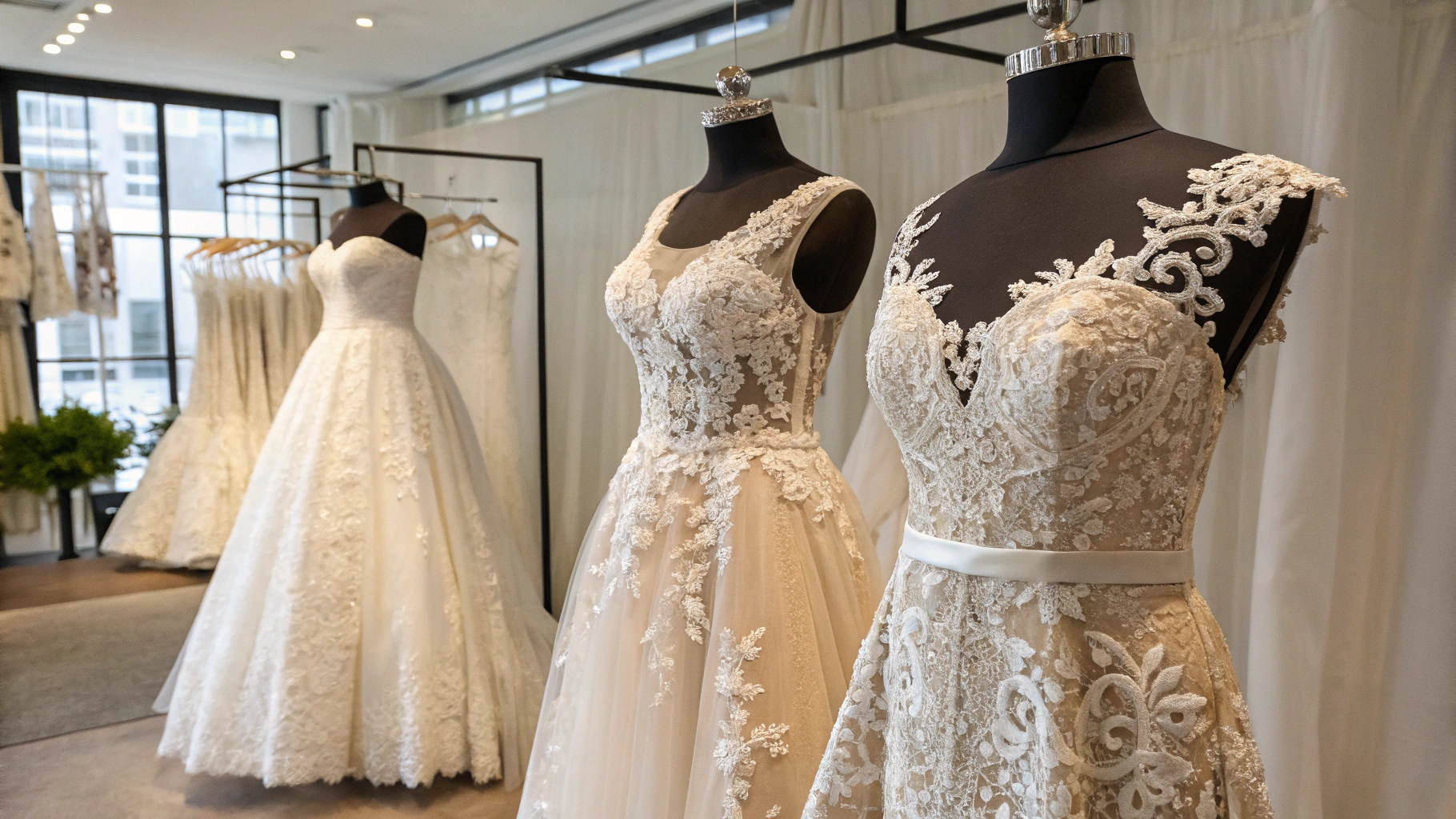
A-line dresses provide the most flexibility for overlay applications. Their flowing silhouettes hide construction seams naturally and accommodate various lace weights without fit issues. I’ve successfully added everything from delicate Chantilly lace supplier materials to heavily embroidered border design overlays on A-line gowns.
Ball gowns offer dramatic transformation potential with full overlay applications. Their structured bodices provide solid foundations for attaching overlays, while full skirts accommodate extensive lace coverage. The princess silhouette pairs beautifully with romantic lace designs.
Fit-and-flare styles bridge the gap between fitted and flowing designs. They accept overlays well through the bodice but require careful attention to maintaining the flare proportion. Too much overlay bulk can overwhelm the silhouette’s balance.
| Dress Style | Overlay Compatibility | Best Lace Types | Complexity Level |
|---|---|---|---|
| A-line | Excellent | All lace varieties | Beginner-friendly |
| Ball gown | Excellent | Heavy embellished laces | Moderate complexity |
| Fit-and-flare | Good | Medium-weight laces | Moderate complexity |
| Mermaid | Challenging | Stretch laces only | Advanced techniques |
| Sheath | Difficult | Lightweight only | Expert-level work |
Mermaid and trumpet styles present significant challenges for overlay applications. Their body-conscious fit requires overlays that stretch and move with the wearer. Non-stretch laces can create pulling and discomfort in these styles.
Simple sheath dresses may seem like obvious overlay candidates, but they actually require the most skill to modify successfully. Any construction imperfections show clearly on these clean-lined designs. The overlay must integrate perfectly with the dress’s minimalist aesthetic.
Vintage-inspired dresses often benefit tremendously from carefully chosen overlays. Adding rhinestone applications or delicate lace details can enhance period authenticity while maintaining modern fit and comfort standards.
Conclusion
Adding lace overlays transforms wedding dresses successfully when executed with proper technique, appropriate materials, and realistic timeline expectations for professional results.