Skip to content
Your stunning gown design crumbles under its own weight. The pearls sag. The sequins pull. Your couture masterpiece becomes a manufacturing nightmare.
The foundation tulle determines whether your heavy embroidery creates a masterpiece or a disaster. At Marry Lace, we engineer high-tenacity nylon blends that support dense beadwork while maintaining ethereal transparency, preventing costly design failures.
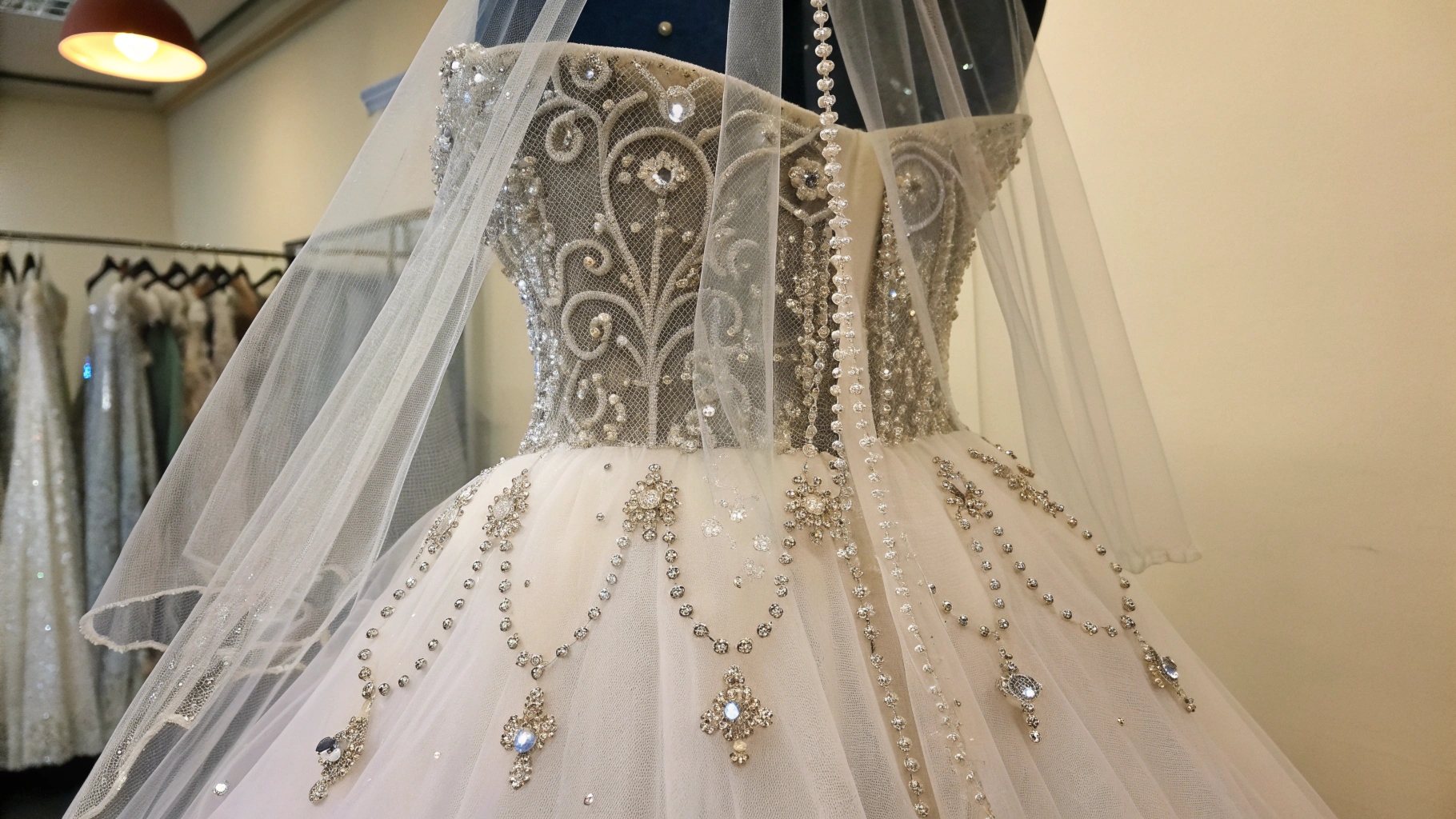
I learned this lesson the hard way during my early years at Marry Lace. A prestigious designer ordered thousands of yards of what seemed like perfect tulle. Three weeks later, their entire collection was compromised because the base fabric couldn’t handle the weight.
Why Does Tulle Quality Matter More Than You Think?
Most designers focus on the glamorous surface. They obsess over bead placement and thread color. But they ignore the invisible foundation that makes everything possible.
Quality tulle prevents embroidery distortion, maintains garment shape, and ensures longevity. Poor base fabric leads to sagging, tearing, and complete design failure, regardless of surface embellishment quality.
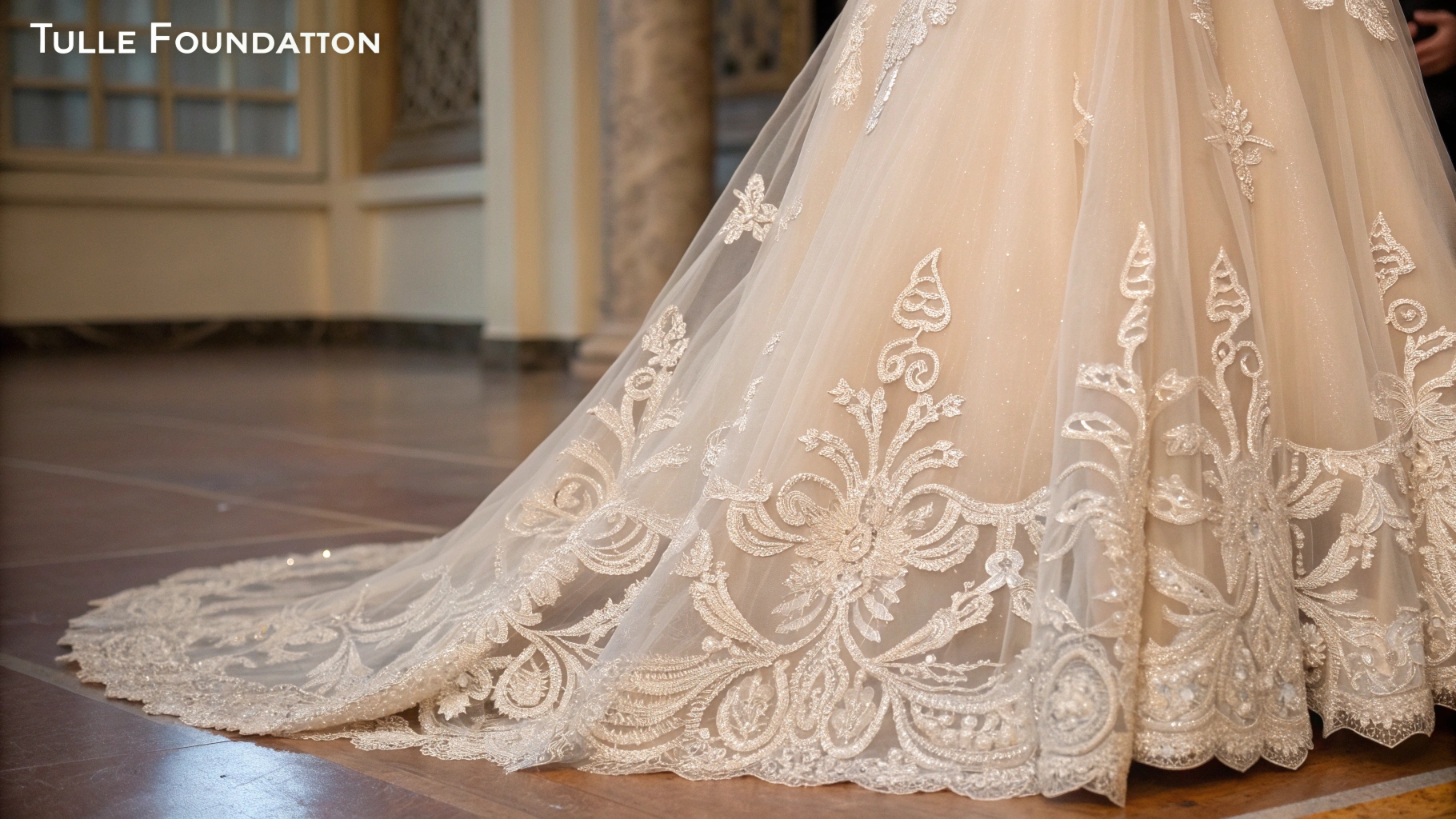
The Hidden Engineering of Luxury Fashion
The fashion world rarely discusses the science behind beautiful gowns. Yet every successful couture piece depends on precise engineering calculations. I work with designers who demand perfection, and they understand that structural integrity comes first.
Our design process1 begins with understanding the embellishment load. A gown with crystal appliqués requires different base specifications than one with delicate threadwork. The hexagonal stability of the mesh must align with the intended weight distribution.
When sourcing wholesale lace fabric2, manufacturers often overlook tensile strength measurements. They focus on price per yard instead of performance metrics. This approach creates beautiful samples that fail in production. The garment loses its intended silhouette within hours of wear.
We test our tulle bases using industry-standard stress tests. Each mesh type undergoes weight-bearing trials with various embellishment densities. Only materials that maintain their dimensional stability qualify for our luxury bridal collection.
The gram-weight specification determines the fabric’s ability to support decorative elements. Light tulle works beautifully for simple threadwork. Heavy embroidery requires substantial base materials. Our technical team matches these specifications to prevent design compromises during production.
How Do You Choose the Right Tensile Strength for Heavy Embroidery?
Different embellishment techniques create varying stress patterns on the base fabric. Understanding these forces helps prevent catastrophic failures during garment construction and wear.
Calculate total embellishment weight per square meter, then select tulle with 40% higher tensile strength than the maximum load. This safety margin prevents distortion and ensures lasting garment integrity.
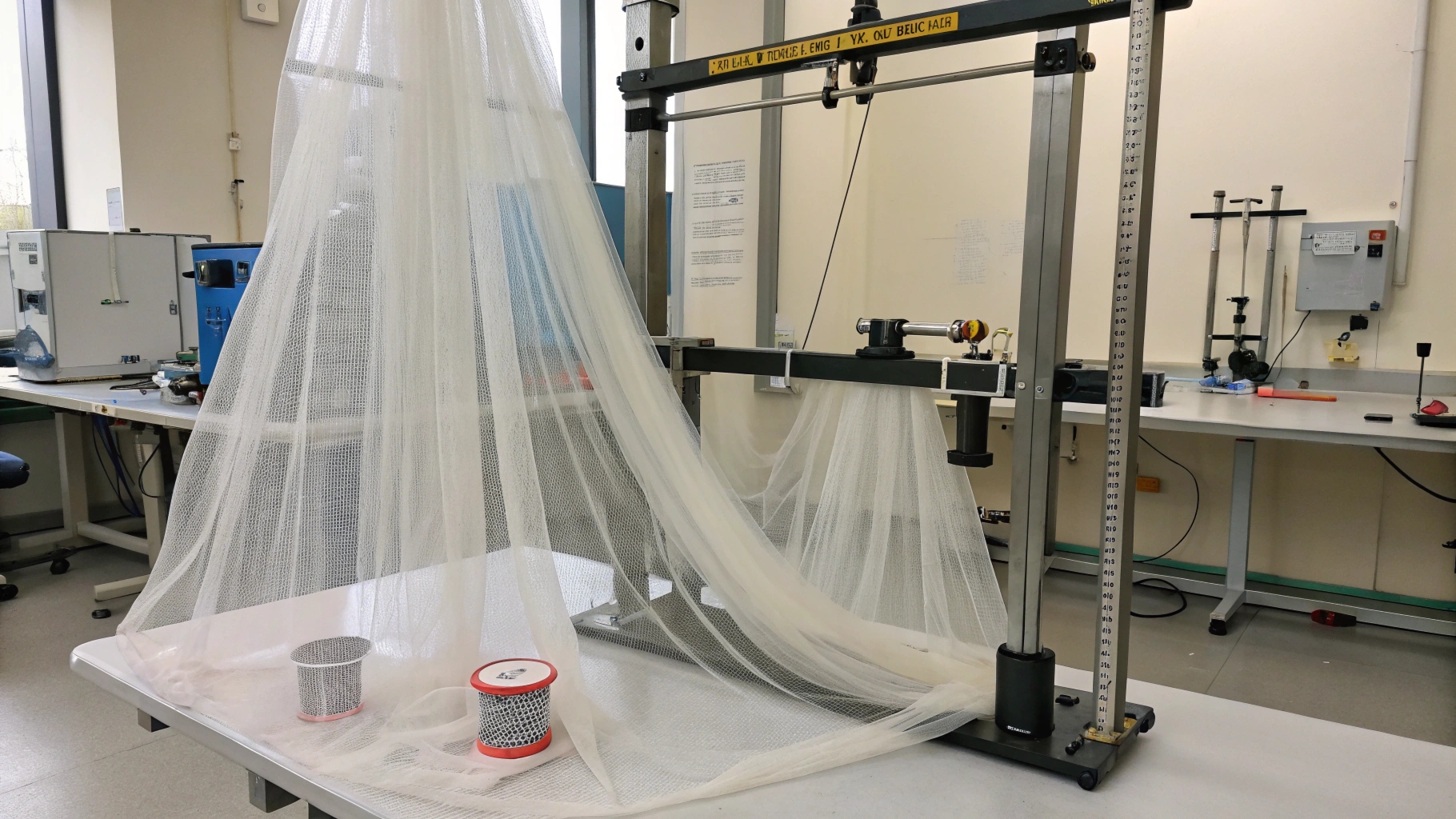
Matching Base Fabric to Embellishment Type
Dense beadwork creates concentrated stress points where each bead attaches to the fabric. Our beaded lace collection3 uses reinforced attachment points to distribute these loads effectively. Standard tulle would develop tears at these stress concentrations.
3D floral embellishments4 require different considerations. The dimensional flowers create leverage forces that can distort the base mesh. We use specialized weave patterns that resist this type of deformation while maintaining the desired drape characteristics.
Rhinestone applications present unique challenges because of their weight and attachment methods. Heat-applied stones require base fabrics that maintain dimensional stability under thermal stress. Sewn applications need fabrics that resist puncture damage from repeated needle penetration.
Our manufacturing facilities in China and Turkey maintain strict quality controls for these specifications. Each production run undergoes testing to verify tensile strength compliance. This attention to detail ensures consistent performance across large orders.
Working with textile wholesaler lace suppliers, we often encounter resistance to these rigorous standards. Many manufacturers focus on minimizing costs rather than maximizing performance. This approach creates short-term savings but long-term problems for designers and their clients.
What Makes High-Tenacity Nylon Superior for Couture Applications?
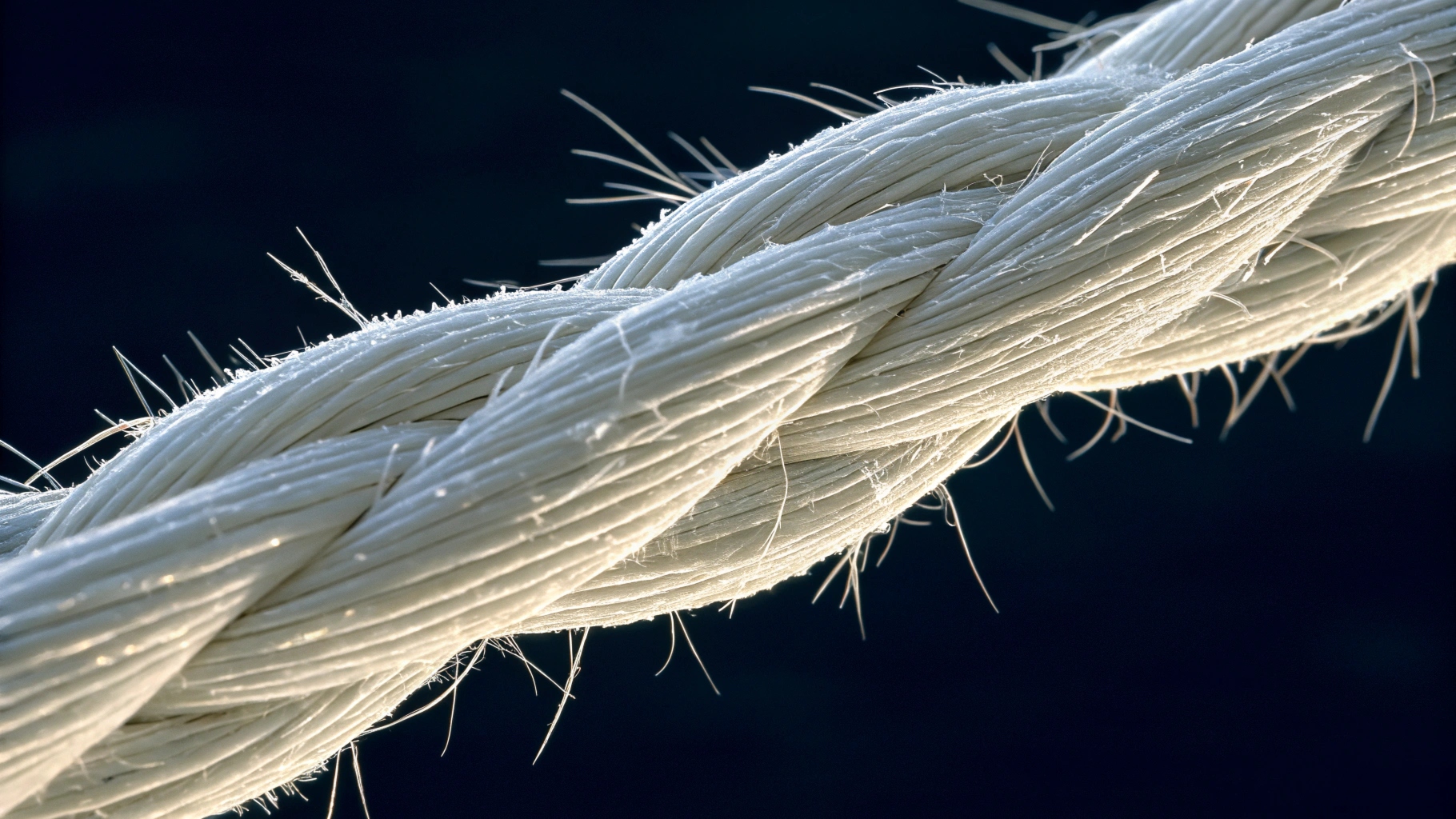
Standard nylon offers good performance for basic applications. High-tenacity variants provide exceptional strength-to-weight ratios that make them ideal for supporting heavy embellishments without compromising garment aesthetics.
High-tenacity nylon maintains 95% of its original strength under stress while offering superior resistance to abrasion and chemical degradation. This performance ensures garment longevity and embellishment security.
The Chemistry of Performance Fabrics
The molecular structure of high-tenacity nylon creates superior performance characteristics. Extended polymer chains provide enhanced tensile strength. Cross-linking between chains offers dimensional stability. These chemical properties translate directly into better garment performance.
Our sourcing team works directly with fiber producers to specify exact molecular weights and cross-link densities. This level of control ensures consistent performance across production runs. Standard wholesale suppliers rarely offer this degree of specification control.
Polyester blends offer different advantages for specific applications. The synthetic polymer resists moisture absorption better than nylon. This characteristic prevents dimensional changes in humid conditions. Bridal gowns worn outdoors benefit from these properties.
Custom color development requires careful consideration of fiber chemistry. High-tenacity materials often require specialized dyeing processes to achieve desired colors without compromising strength. Our technical team manages these processes to ensure both aesthetic and performance requirements are met.
The manufacturing process itself affects final fabric properties. Heat-setting temperatures, stretching tensions, and cooling rates all influence the molecular structure. Our production facilities maintain precise control over these parameters to ensure consistent quality.
Conclusion
The invisible foundation determines whether your couture vision succeeds or fails. Choose your tulle base with engineering precision, not just aesthetic appeal.
-
Understanding the design process can provide insights into the meticulous planning and engineering behind luxury fashion pieces. ↩
-
Exploring this link will help you find reliable suppliers for high-quality lace fabric essential for couture designs. ↩
-
Explore this link to understand how beaded lace can enhance your designs with durability and elegance. ↩
-
Discover insights on the unique effects of 3D floral embellishments on fabric and design aesthetics. ↩