Skip to content
Embroidery faces disruption from technology, sustainability demands, and personalization trends. Traditional manufacturers must adapt or risk obsolescence.
The future of embroidery combines advanced computerized systems with traditional craftsmanship, sustainable materials, and personalized designs. Smart manufacturing, eco-conscious processes, and custom solutions will define the next decade of embroidered lace wholesale markets.
After two decades in lace manufacturing, I’ve witnessed dramatic shifts that signal where our industry is heading. The changes accelerating now will reshape how we create, source, and use embroidered fabrics forever.
How Will Technology Transform Traditional Embroidery Manufacturing?
Technology disrupts every aspect of embroidery production. Manufacturers who embrace these changes will dominate future markets.
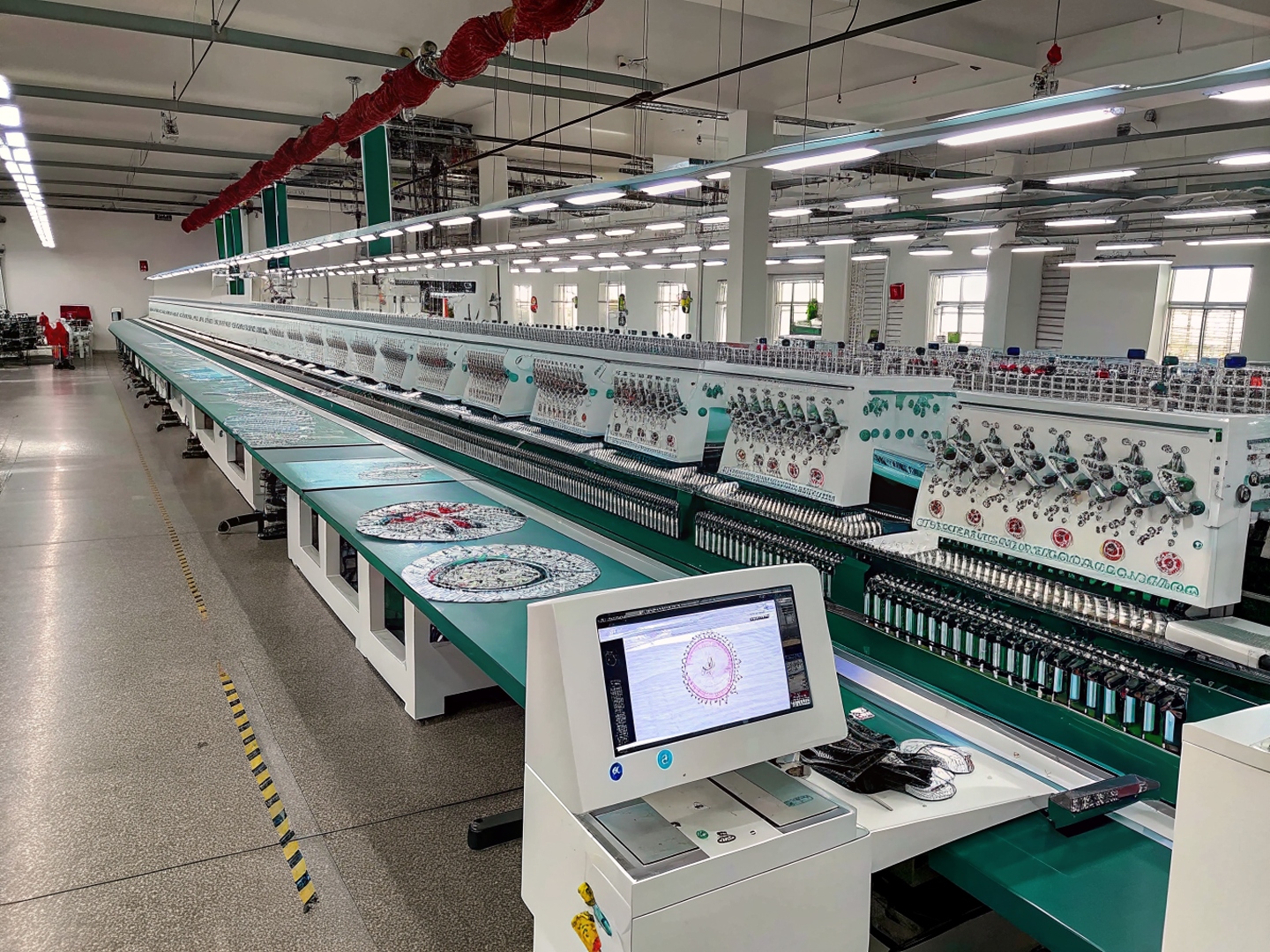
Advanced computerized embroidery systems now execute intricate designs with unprecedented precision while maintaining artisanal quality. Machine learning algorithms optimize thread paths, reduce waste, and predict maintenance needs for continuous production.
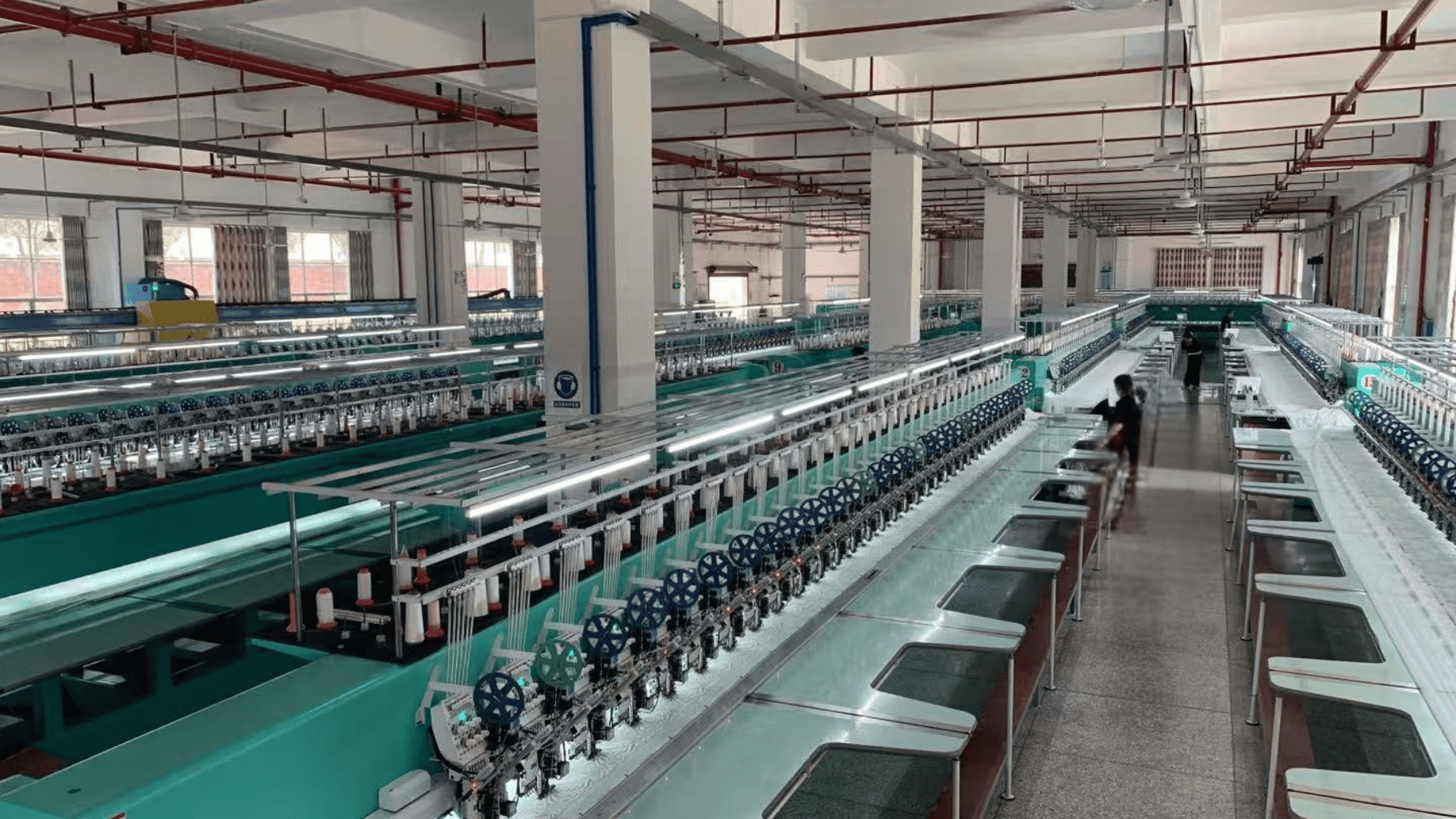
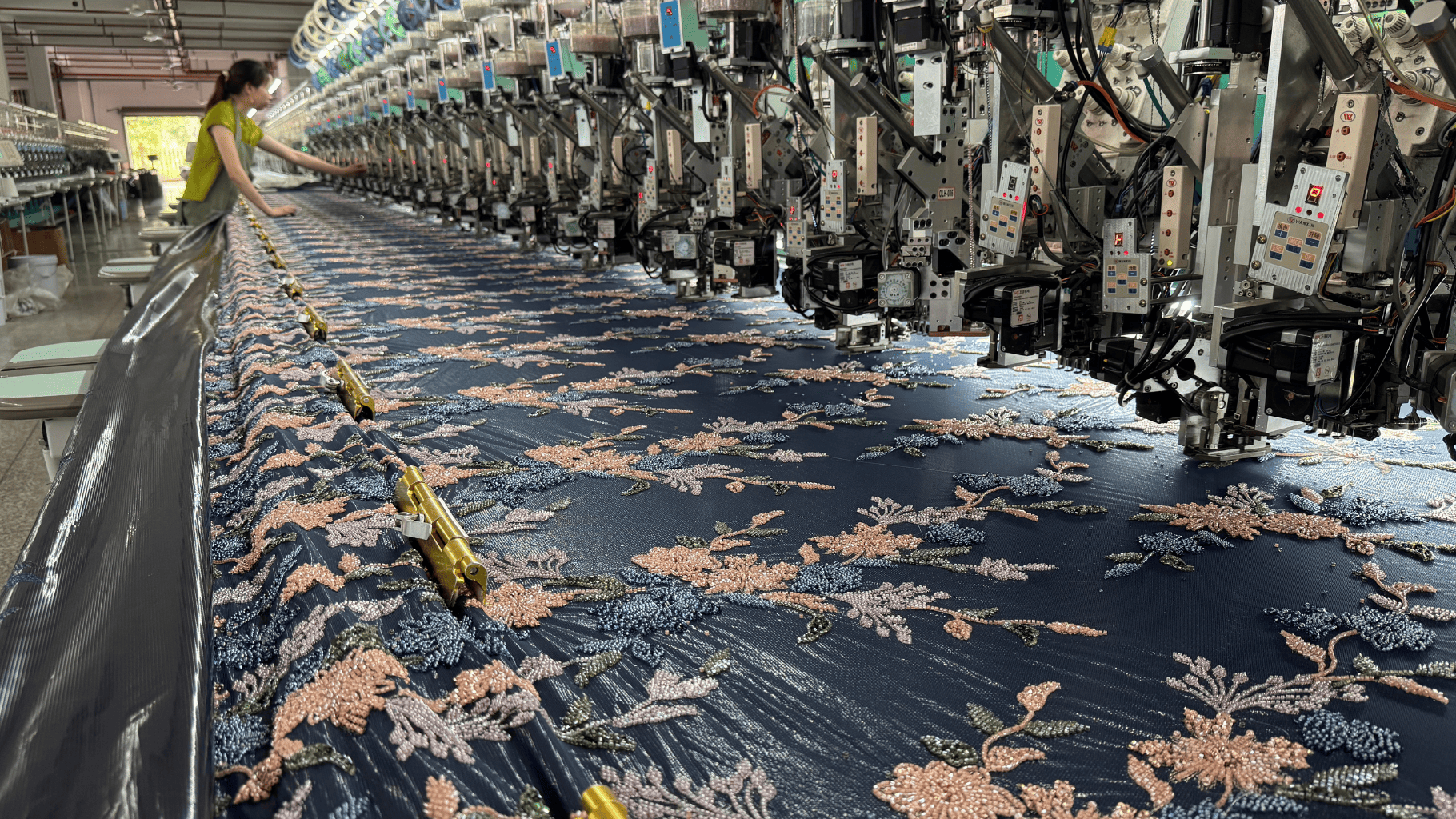
At our manufacturing facilities in China and Turkey, I’ve invested heavily in next-generation embroidery technology that revolutionizes production capabilities. These systems don’t replace human expertise—they amplify it.
Digital Design Integration
Our design process now incorporates AI-assisted pattern creation that suggests optimal thread combinations and predicts how designs will perform on different base fabrics. This technology enables us to offer [custom color development](https://makersrow.com/blog/what-are-lab-dips-how-to-get-the-perfect-color-for-your-garment/)1 services with unprecedented speed and accuracy.
The software analyzes thousands of existing patterns to suggest improvements, reducing development time from weeks to days. Clients can visualize modifications instantly, making the approval process seamless for bulk lace fabric orders.
3D modeling shows exactly how 3D floral embellishment pieces will behave on curved surfaces before production begins. This eliminates costly sampling rounds and ensures perfect results for garment accessories wholesale applications.
Quality control systems now use computer vision to detect imperfections invisible to human inspectors. Each yard of embroidered lace wholesale fabric2 gets scanned for thread tension, color consistency, and pattern alignment. This technology ensures every textile wholesaler lace order meets specifications exactly.
Predictive maintenance algorithms monitor machine performance continuously. They schedule adjustments before problems occur, maintaining consistent quality across large production runs for lace fabric manufacturer operations.
Smart Production Optimization
Real-time production monitoring optimizes every aspect of manufacturing. Our systems track thread consumption, adjust tension automatically, and coordinate multiple machines for complex multi-color designs.
Integration with supply chain systems enables just-in-time material delivery, reducing inventory costs while ensuring production continuity. This efficiency allows us to offer competitive pricing on rhinestone applique bulk orders3 while maintaining premium quality standards.
What Role Will Sustainability Play in Future Embroidery?
Environmental consciousness reshapes client expectations. Sustainable embroidery isn’t optional—it’s becoming the industry standard.
Eco-conscious materials and water-efficient production methods drive innovation in sustainable embroidery. Organic threads, recycled base fabrics, and closed-loop dyeing systems reduce environmental impact while meeting luxury quality standards.
I’m witnessing a fundamental shift in how high-end designers approach material selection. Sustainability stories matter as much as aesthetic appeal for discerning clients seeking wholesale embroidery lace solutions.
Eco-Friendly Material Innovation
Organic cotton threads provide the foundation for sustainable embroidered border design collections. These materials maintain durability and color vibrancy while eliminating harmful chemicals from the production process.
Recycled polyester threads created from ocean plastic waste4 offer performance benefits for stretch lace trim supplier applications. The recycled content doesn’t compromise strength or appearance, making it ideal for activewear and lingerie applications.
Plant-based alternatives to traditional synthetic threads continue improving. Bamboo and hemp fibers create unique textures while supporting renewable resource usage for fabric for boutiques seeking distinctive materials.
Our water recycling systems capture and purify 95% of dyeing water for reuse, dramatically reducing environmental impact. Closed-loop processes eliminate waste water discharge while maintaining consistent color quality across production runs.
Zero-waste design principles5 optimize material usage. Computer-controlled cutting minimizes fabric waste, while thread scraps get recycled into new products or converted to insulation materials.
Carbon-Neutral Production Goals
Energy-efficient machinery reduces power consumption by 30-40% compared to older equipment. Solar panels at our facilities offset additional energy needs, moving toward carbon-neutral manufacturing for wholesale lace fabric production.
Transportation optimization consolidates shipments and selects routes that minimize carbon emissions. Regional production facilities reduce shipping distances while maintaining quality standards for textile sourcing lace requirements.
How Will Personalization Change Embroidery Design Approaches?
Mass customization demands flexible production systems. Clients want unique pieces without custom pricing or extended lead times.
Personalized embroidery solutions utilize modular design systems that combine standard elements in infinite variations. Digital printing integration allows individual customization within production runs, creating exclusivity at wholesale volumes.
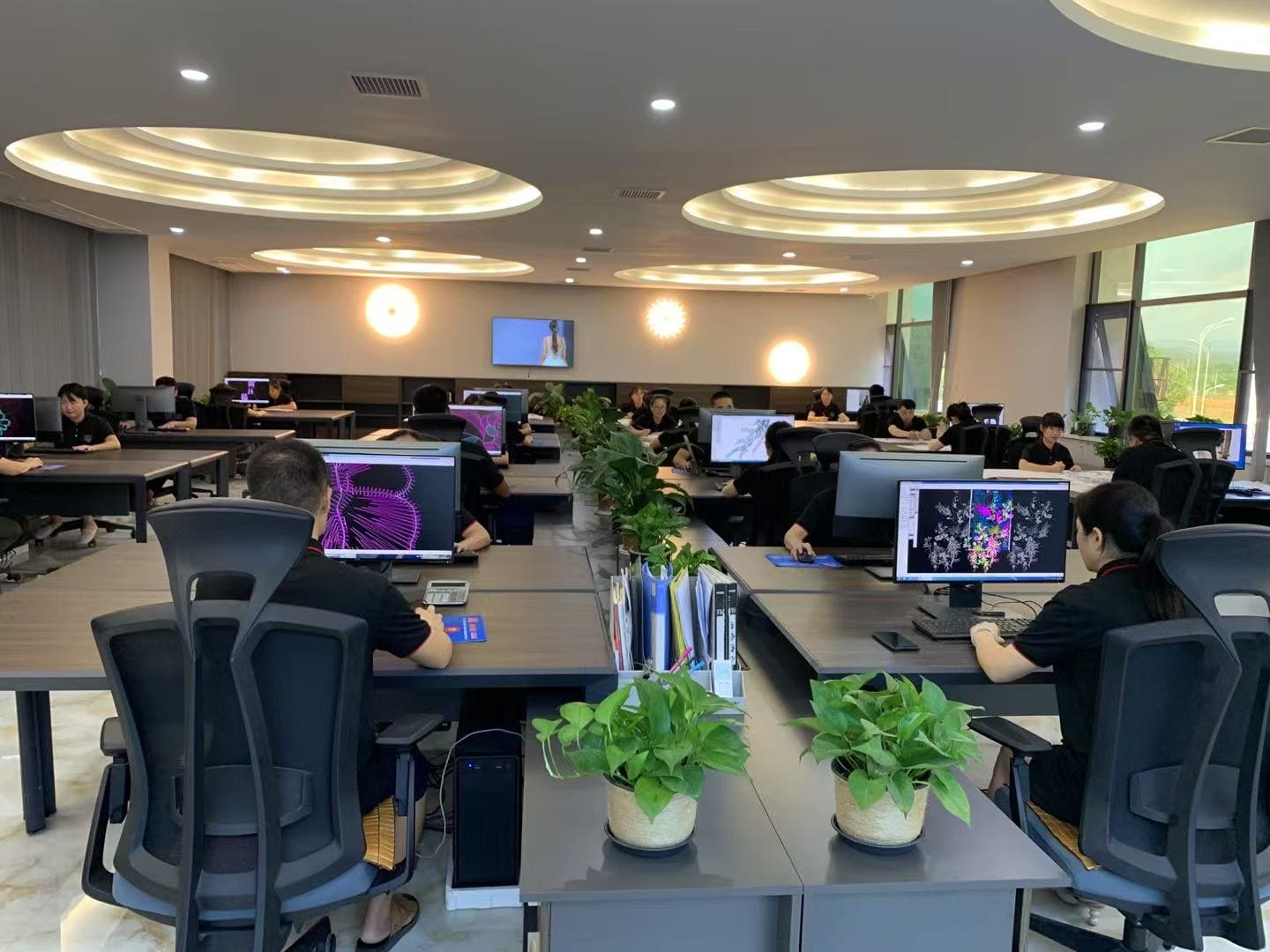
The demand for exclusivity drives innovation in how we approach beaded lace collection development. Clients want pieces that reflect their brand identity while maintaining commercial viability.
Modular Design Systems
Component-based design allows mixing and matching elements to create unique combinations. Base patterns work with interchangeable motifs, borders, and embellishments for infinite variety within structured systems.
Digital libraries contain thousands of elements that combine seamlessly, enabling rapid customization for guipure lace wholesale orders6. Clients select components through online interfaces, generating unique designs automatically while maintaining production efficiency.
Color customization extends beyond thread selection. Variable-data printing allows different colorways within single production runs, supporting small-batch specialty items for fabric for boutiques requiring exclusive options.
Our [rhinestone applications](https://www-backup.salemstate.edu/rhinestones-on-clothes)7 utilize placement algorithms that adapt crystal patterns to different garment sizes automatically. This technology ensures consistent visual impact across size ranges while personalizing each piece.
Sizing optimization adjusts pattern density and scale based on final applications. The same design works for delicate trim or bold statement pieces by modifying element spacing and thread weights.
Mass Customization Technology
Variable embroidery systems switch between designs without stopping production. Different patterns can appear within single fabric rolls, supporting mixed collections and seasonal transitions seamlessly.
Just-in-time customization responds to trending colors and patterns within days rather than months. This agility supports fast fashion cycles while maintaining quality standards for haute couture lace fabric applications.
What New Applications Will Drive Future Embroidery Demand?
Functional embroidery expands beyond decoration into technical applications. Smart textiles and interactive fabrics create entirely new market opportunities.
Smart fiber integration enables embroidery with conductive threads that support lighting, heating, and sensing functions. These technical applications maintain aesthetic appeal while adding functionality for next-generation fashion and accessories.
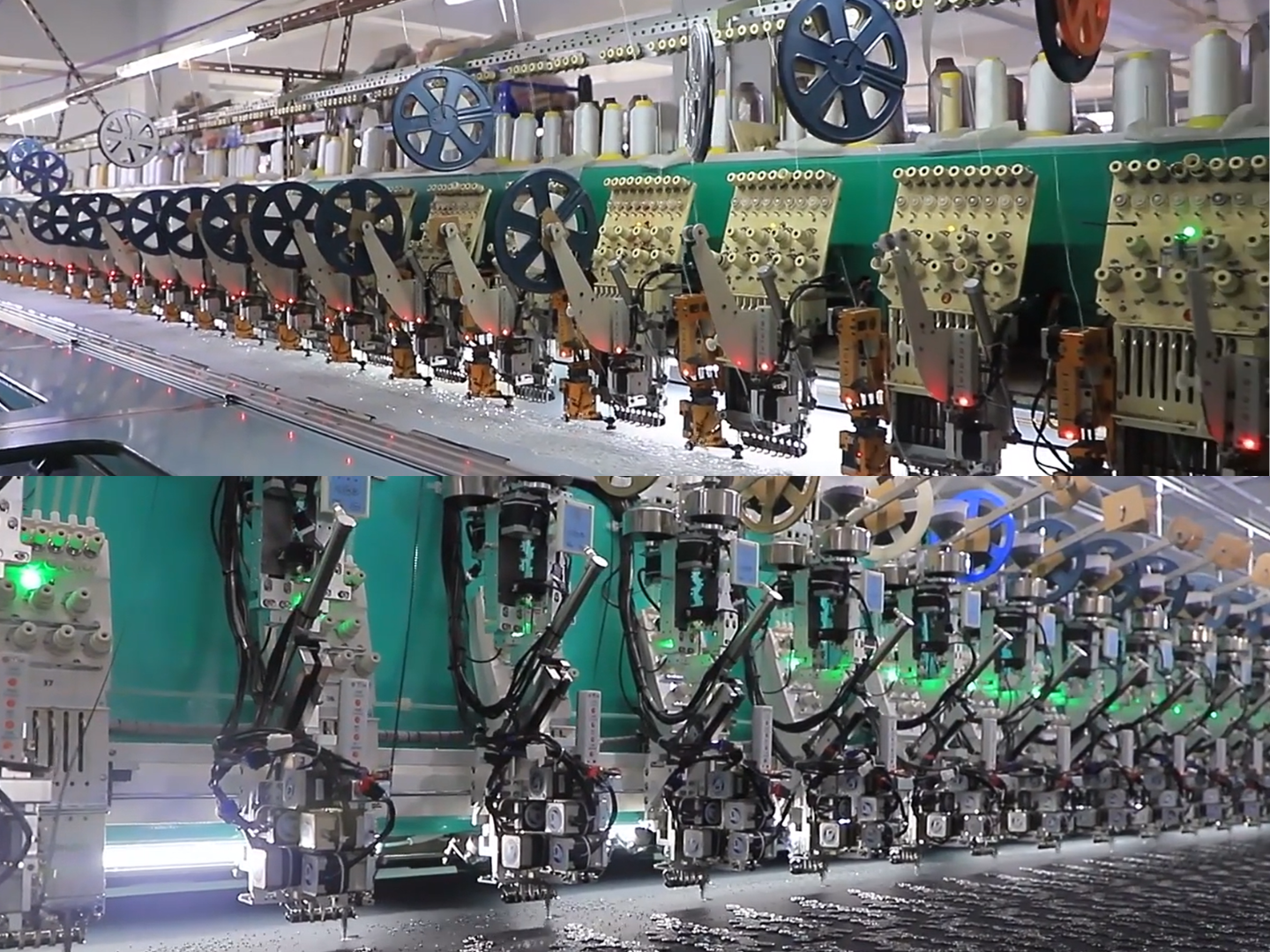
The convergence of fashion and technology opens markets we’re just beginning to explore. Traditional lace fabric supplier relationships expand into technical partnerships for innovative applications.
Technical Textile Integration
Conductive threads woven into traditional patterns create heating elements for cold-weather garments. The embroidery maintains decorative appearance while providing functional warmth distribution across garment surfaces.
LED-compatible threads support lighting integration for performance wear and safety applications. Fashion-forward designs incorporate illumination without compromising style or comfort for specialized market segments.
Antimicrobial thread treatments provide hygiene benefits for medical and athletic applications. These functional enhancements expand embroidery applications into technical markets while maintaining aesthetic standards.
Moisture-wicking embroidery combines performance fiber technology with decorative elements. Athletic wear incorporates beautiful details that enhance function rather than competing with it.
Interactive Fashion Elements
Touch-sensitive embroidery responds to contact with color changes or lighting activation. These interactive elements create engagement opportunities for luxury accessories and statement pieces.
Temperature-responsive threads change appearance based on environmental conditions or body heat. This technology enables dynamic fashion elements that adapt throughout wear cycles.
NFC integration within embroidery patterns enables authentication and interactive content access. Luxury brands utilize these features for anti-counterfeiting and customer engagement applications.
Conclusion
The future of embroidery balances technological innovation with traditional craftsmanship, creating sustainable, personalized solutions for evolving market demands.
-
Discover how pros achieve fast, precise shade matching (Pantone, lab dips), so you can brief suppliers and get on-brand colors approved quickly and reliably. ↩
-
Compare reputable wholesalers with quality certifications and inspection processes, helping you secure defect-free yards and minimize returns on bulk purchases. ↩
-
Find trusted bulk suppliers, assess pricing tiers and MOQs, and verify delivery reliability—key to planning cost-effective runs without compromising quality. ↩
-
Explore how ocean plastic becomes durable, vibrant recycled polyester threads, with guidance on performance for lace trims, activewear, and lingerie. ↩
-
Gain practical methods to reduce fabric waste and costs through zero-waste design—optimized cutting, scrap recycling, and closed-loop production workflows. ↩
-
Discover vetted suppliers, customization workflows, MOQs, and pricing to streamline bulk purchasing while safeguarding design quality and fast turnaround. ↩
-
Learn best practices for applying crystals to garments, from sizing algorithms to durability and wash standards, ensuring consistent sparkle across all sizes. ↩